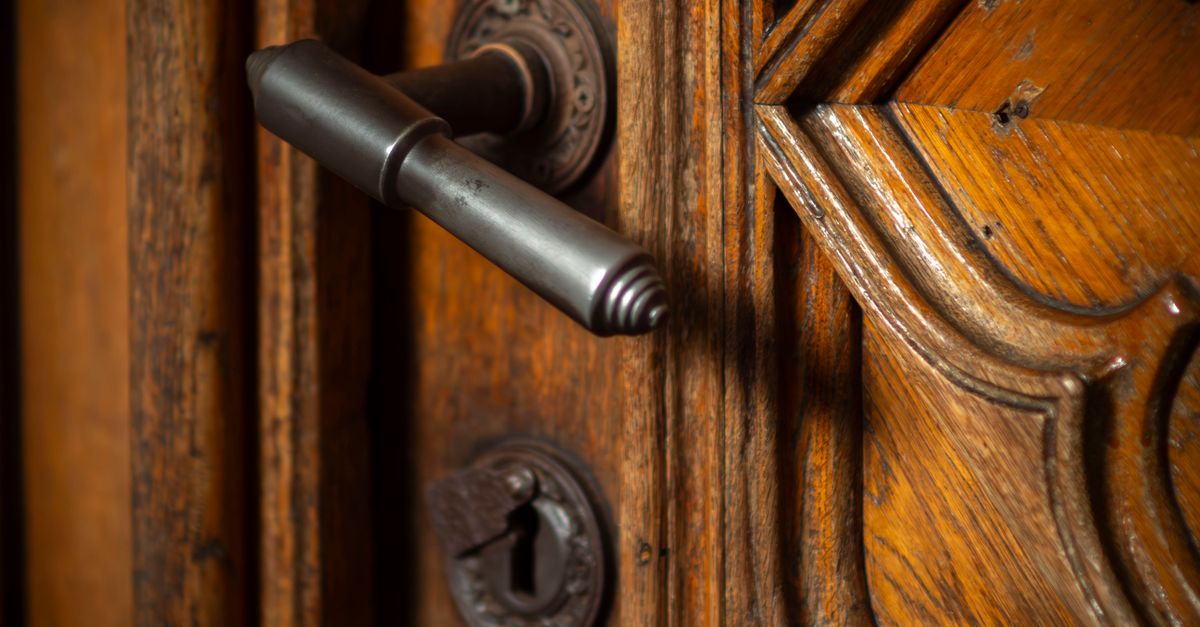

What Is a Mortise Lock and Why Older Homes Depend on Them
A mortise lock is a complete locking mechanism that sits inside a rectangular pocket — the mortise — cut directly into the edge of a door. Unlike a cylindrical lock that installs through a bored hole, the mortise lock set houses the latch, deadbolt, and all operating components within a single steel case recessed into the door. The result is a mechanically strong, tamper-resistant unit that does not rely on a surface-mounted box to hold it in place. That engineering advantage is exactly why builders specified mortise hardware on quality doors throughout the 19th and early 20th centuries, and why so many of those doors are still standing in Andalusia today.
The depth of the mortise pocket also means there is more internal real estate for additional features. Older cast-iron or brass bodies often include separate dead bolt throws, latch bolts, privacy knobs, and indicator pins — all controlled by a single trim plate. Modern versions carry that tradition forward: a smart mortise lock can integrate motorized actuation and wireless credentials into the same form factor, and an electric mortise lock adds fail-safe or fail-secure power release for access-control wiring. Understanding the specific type installed on your door is the first thing our technicians do before recommending any repair or replacement strategy.