Deadbolt Installation for Exterior and Interior Doors: What We Actually Do
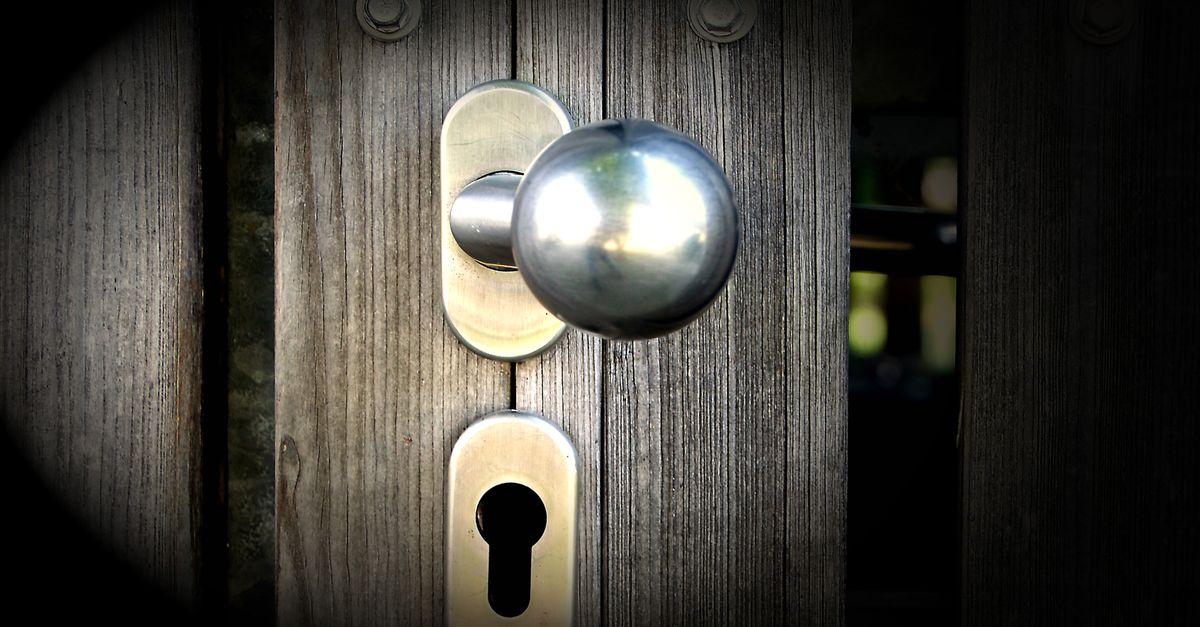
Deadbolt installation is not a one-size-fits-all job. The process varies depending on whether your door already has a prep hole, what the door material is (steel, solid wood, hollow core, fiberglass), the backset measurement, and whether the existing hardware lines up with the new lock's bore pattern. Our technicians assess the door before any drilling begins, confirming the correct bore size, strike plate placement, and reinforcement needs. On exterior doors — which take the most punishment from weather and potential forced entry — we pay close attention to the strike box depth and the length of the screws anchoring it into the door jamb stud, not just the surface trim. Short screws on a strike plate are one of the most common security oversights we correct during an installation visit.
For interior doors, the approach shifts. Interior deadbolt installation is often about privacy and secondary security — on a home office, a master bedroom, or a medication storage room — rather than resisting brute force from outside. We size the lock appropriately for the door thickness and help you choose between a single-cylinder turn-button style and a keyed double-cylinder option depending on your specific need. Every installation wraps up with a full function test: the bolt should throw and retract smoothly, the door should close and latch without binding, and the strike plate should catch cleanly with zero play.